
Why Surface Prep Makes or Breaks a Silicone Roof Coating in New Mexico
How proper cleaning, drying, and priming protect flat roofs from UV, dust, and monsoon storms
Proper surface preparation is the single most important factor in the performance and lifespan of a silicone roof coating, especially on flat and low-slope roofs in New Mexico’s high-desert climate. When preparation is rushed or skipped, even the best coating system can fail years ahead of schedule, leaving your building exposed to leaks and UV damage.
Deep Cleaning in a Dusty Climate
In Albuquerque and across New Mexico, flat roofs collect more than just leaves and debris; they also accumulate fine dust, caliche, oxidized coating, and wind-blown contaminants that act like a “bond-breaker” under silicone. These invisible layers keep the coating from fully adhering to the existing roof surface.
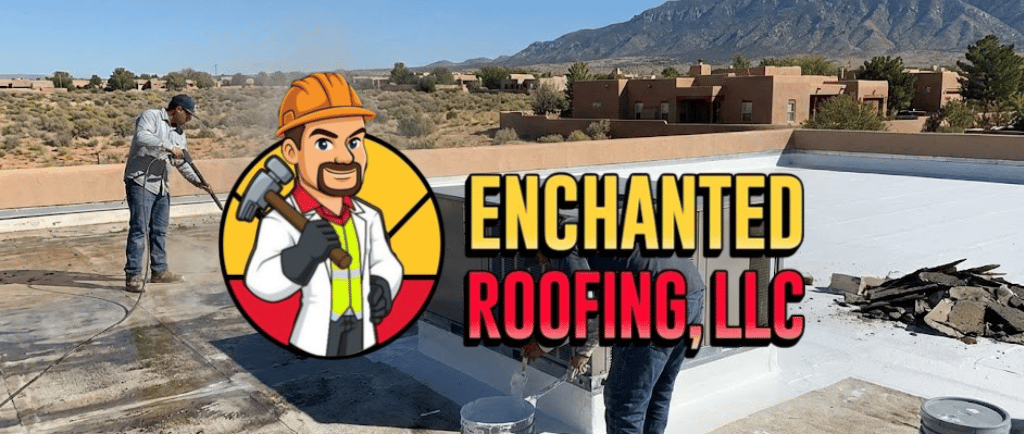
A professional prep starts with a thorough wash, typically using high-pressure power washing combined with biodegradable detergents to remove dirt, oils, oxidation, and biological growth.
The goal is a truly clean, sound substrate so the silicone can bite into the surface, instead of sitting on a slick film that will eventually release.
If this step is rushed, the coating can delaminate—peeling away like a sticker—which quickly defeats the purpose of installing a premium restoration system in the first place.
Dry Time, Seams, and Problem Areas
Once the roof is clean, patience becomes just as important as pressure washing. Silicone is non-porous and “breathes” differently than many traditional roofing materials, which makes trapped moisture a serious threat in the New Mexico sun.
The roof must be allowed to dry completely before any silicone is applied; any residual moisture under the coating will turn to vapor as temperatures rise, creating pressure pockets.
That trapped vapor can cause blistering in the coating, which may eventually rupture and open pathways for water intrusion during heavy monsoon rains.
During this stage, a careful crew will also inspect and reinforce seams, fasteners, penetrations, curbs, and transitions with silicone-compatible mastic or reinforced fabric. Turning these typical leak points into reinforced details before the field coating goes down dramatically improves long-term performance.
Adhesion Testing and Primers by Roof Type
Not every roof substrate interacts with silicone the same way. TPO, metal, and modified bitumen all have different surface chemistries and aging patterns, which can impact how well a coating bonds without additional help.
A proper restoration includes adhesion testing in multiple areas to confirm that the coating will grip the existing membrane or panel, rather than just forming a weak film on top.
Where needed, a specialized primer is applied as a chemical “bridge” so the silicone can fuse with the roof instead of merely resting on it.
In New Mexico’s UV-intensive, high-heat environment, skipping adhesion tests, primers, or necessary repairs is a recipe for early failure—even if the coating looks great on day one.
The Payoff: A Seamless, Long-lasting Shield
When each preparation step is done correctly—deep cleaning, full drying, detail reinforcement, adhesion testing, and priming where required—the silicone coating can perform as intended.
The result is a seamless, waterproof membrane that resists ponding water, blocks UV radiation, and flexes with daily temperature swings without cracking.
On a qualified roof, this level of prep helps the coating deliver decades of service, extending the life of the existing system while avoiding the cost and disruption of a full tear-off.
For Albuquerque building owners, rigorous preparation is what transforms a silicone coating from “just paint on a roof” into a true restoration system that stands up to dust, sun, and monsoon storms for years to come.
© 2026. All rights reserved.